October 9, 2026
An outdoor space can have attractive plants and comfortable furniture yet still feel unfinished. An exposed seating area may discourage relaxation, while an unclear boundary can make the yard difficult to organize. Fencing changes how the space is experienced by giving its edges, entrances, and surroundings a more deliberate shape.
The best choice begins with the way the property is used. A front garden, a backyard gathering area, and a space shared with pets may call for different designs. Professional fence services can bring those priorities into one plan, balancing everyday function with the appearance of the home. The result should make the outdoor space feel more purposeful and comfortable to use.
Give the Yard a Clearer Sense of Place
A fence creates a visible edge that helps an outdoor area feel defined. Furniture, planting beds, and open lawn become parts of a recognizable setting instead of separate features scattered across the property. A simple boundary can make a modest yard feel more settled.
The effect depends on where the fence belongs in relation to existing features. A boundary beside a garden should work with its shape, while an enclosure near a patio should leave room for movement. A discussion about fence services should include those relationships so that the finished design supports the space already in use.
Definition can also clarify how adjoining areas relate to each other. A fenced backyard reads as a distinct private setting, while an entrance identifies where visitors are expected to approach. Within it, outdoor furnishings and activities have a setting that feels intentional rather than temporary.
Make Privacy Part of the Design
Privacy affects how readily people use their yards. A dining area facing a neighboring window may remain empty even when the weather is pleasant. Screening direct views can make the same table feel more comfortable for meals, conversation, or quiet time outdoors.
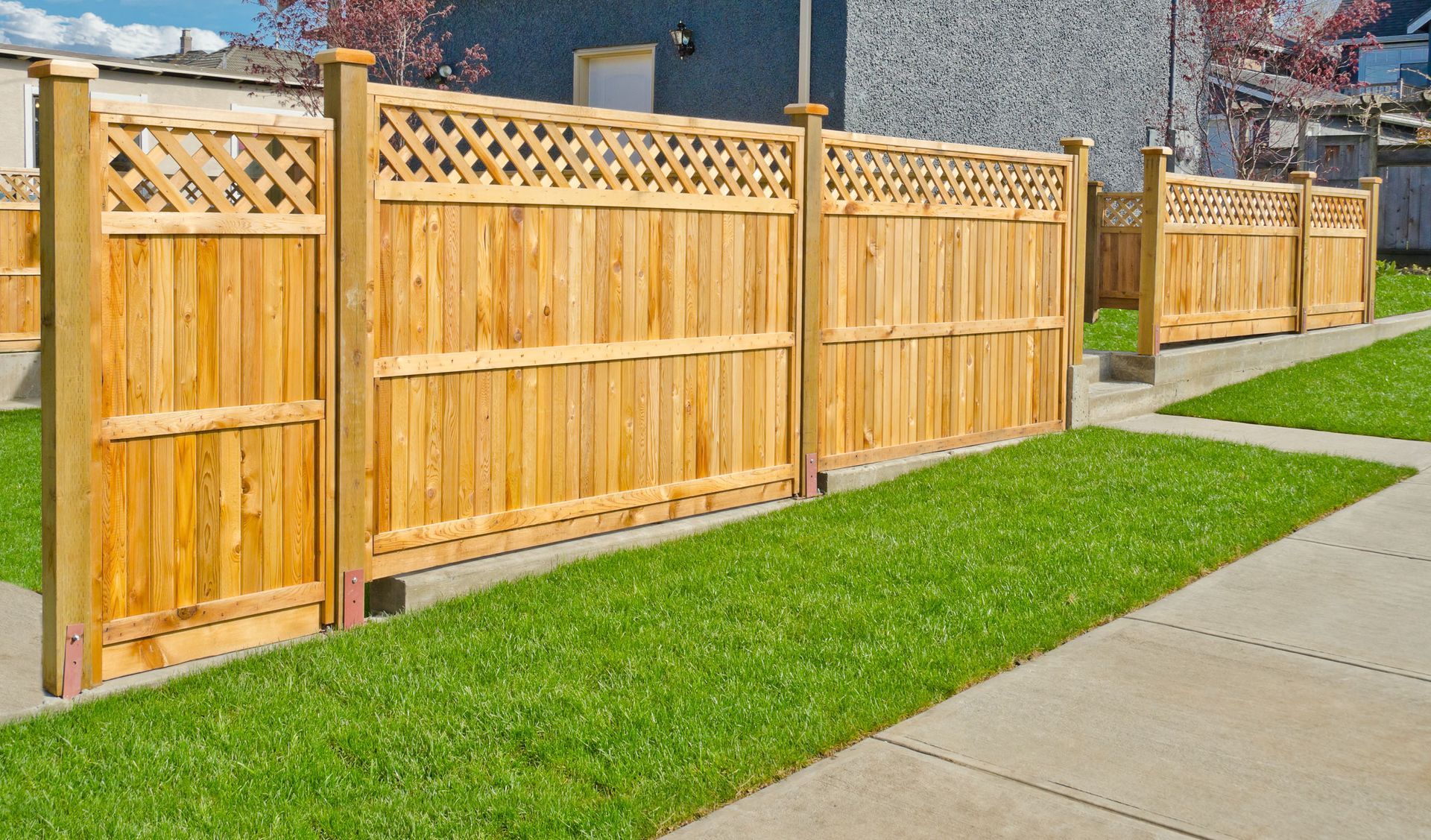
Wood privacy fencing provides a more enclosed appearance than open metal designs. Its surface can reduce the visual prominence of neighboring activity and create a consistent background for the yard. Homeowners seeking fence services for privacy benefit from identifying the particular views that affect comfort, because the most useful screening responds to actual sightlines.
The fence's height and arrangement should relate to the area being protected. A design that suits a seating space may differ from one intended to define a front garden. Privacy also needs to work with access, so entrances deserve attention alongside the screened portions. Considering those elements together helps create a comfortable enclosure without making daily movement through the property awkward.
Preserve Views While Shaping the Space
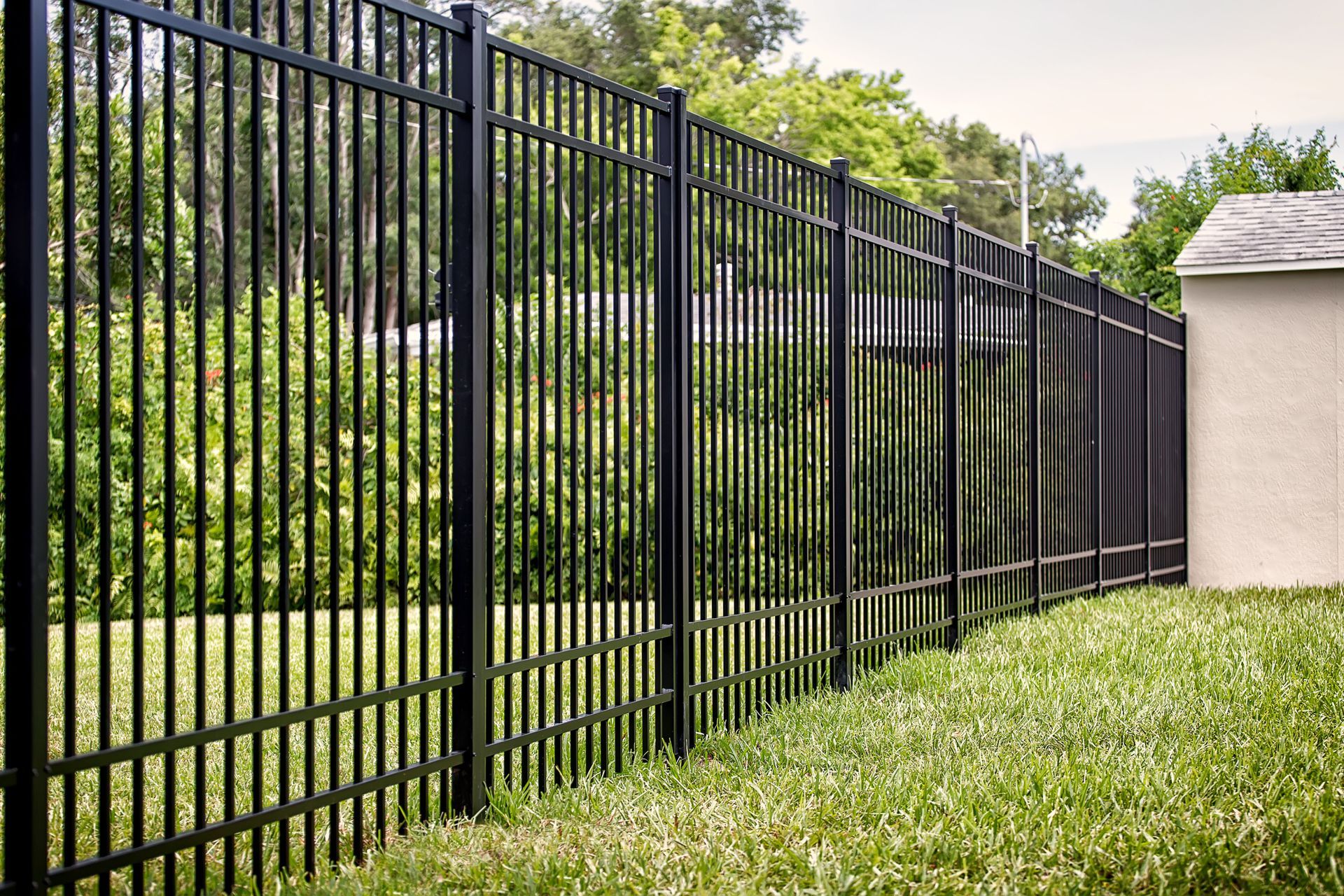
Not every outdoor area needs a solid screen. Iron and aluminum fencing can establish a boundary while keeping planting, architectural details, and views beyond the yard visible. Open designs are particularly useful when visual connection is part of what makes the property enjoyable.
According to Home Advisor, wrought iron fences commonly stand about four feet tall. That typical height offers a useful reference when considering the visual scale of a boundary beside a home or garden. The appropriate height still depends on the fence's purpose and the proportions of the setting, rather than treating one dimension as suitable everywhere.
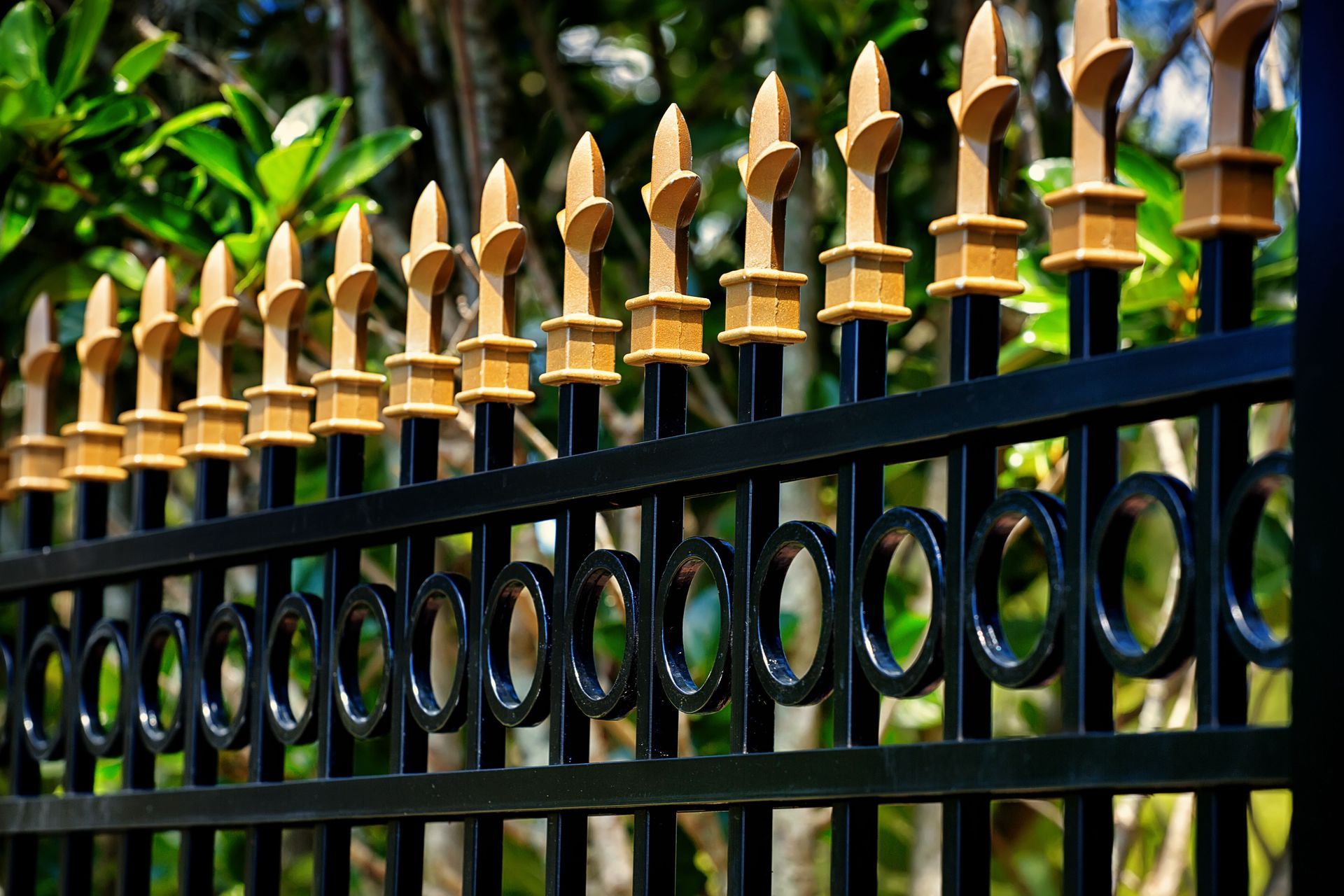
Spacing and top style influence the impression as much as height. Closely arranged pickets create a different visual rhythm from a more open pattern, and a flat top produces a different outline from decorative finials. Those choices affect how prominently the fence appears in the view. A design with suitable proportions can define the yard while allowing its existing features to remain part of the scene.
Connect the Fence With the Home's Character
A fence occupies a prominent place beside the home, making its style part of the property's overall appearance. Repeated vertical lines can complement a simple exterior, while ornamental details may suit a house with more decorative architecture. The design feels more cohesive when its features relate to the building rather than compete with it.
Custom fence services allow details such as picket spacing, top styles, and ornamentation to be considered together. Scrolls, rings, or finials can provide character where a decorative treatment is appropriate. Their scale matters: a detail that looks balanced on a substantial entrance may feel overly prominent along a small garden boundary.
Material contributes its own visual character. Wood introduces natural texture, while iron can create a more formal outline and aluminum offers an open metal appearance. Choosing among them involves how the fence will look beside existing surfaces and planting. A coordinated design can make the exterior feel more complete without requiring every outdoor feature to use the same material or decorative pattern.
Turn Entrances Into Useful Features
A gate gives the fence a point of entry and helps explain how people should move through the outdoor space. Its location can make the route from the house to the yard feel natural. An opening placed away from a regularly used path may create an unnecessary detour, even when the surrounding fence looks attractive.
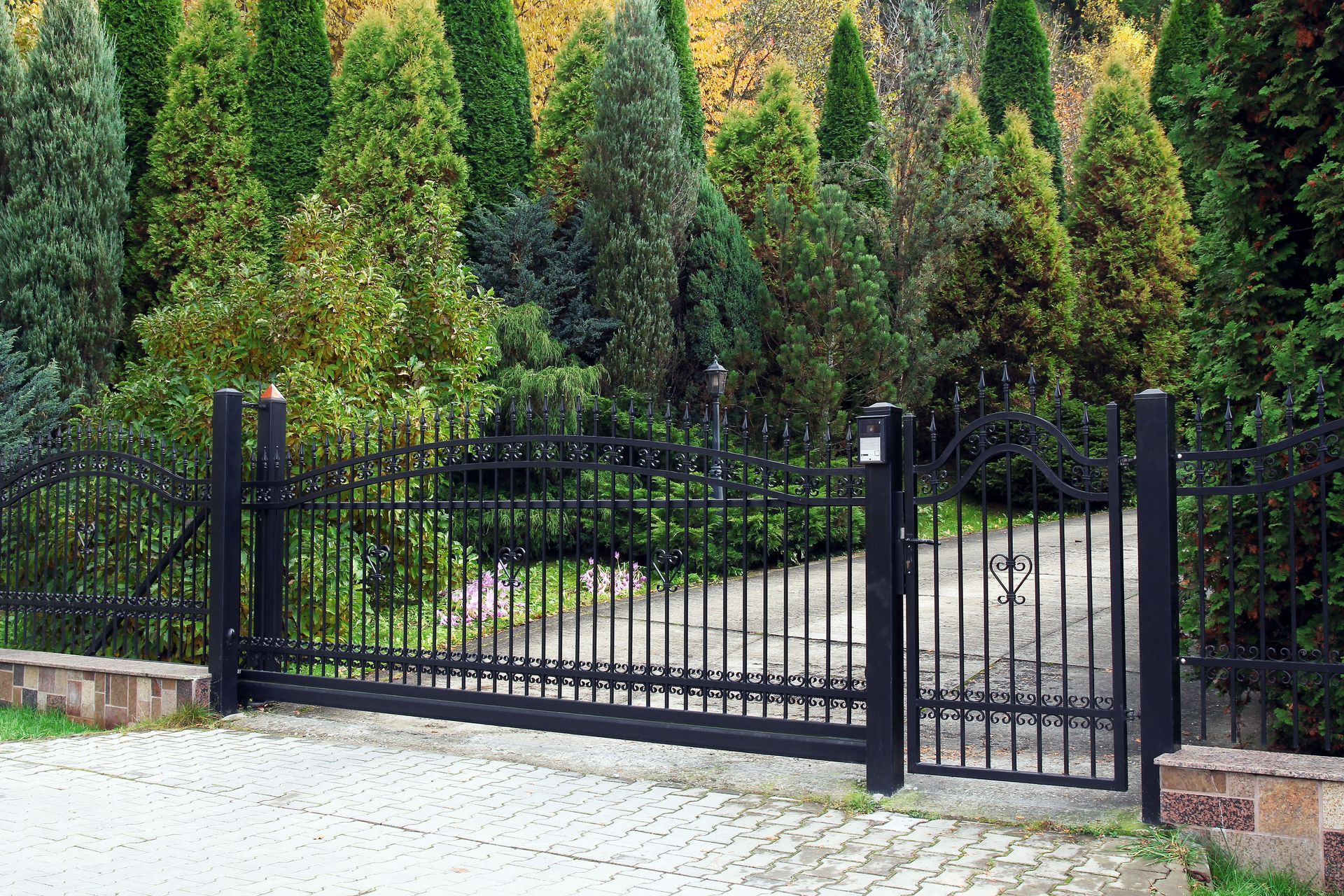
Entry planning is an important part of fence services because the gate must work within the enclosure. Its width, position, and movement should account for how the opening will be used. A garden entrance and an opening needed for larger items may require different arrangements, with nearby planting and furnishings also affecting available clearance.
Appearance matters at the entrance, too. A gate that shares the fence's proportions and design details helps the boundary remain visually connected when closed. Decorative ironwork can give the opening additional character without changing its practical purpose. Planning access and appearance together makes the gate a useful part of the finished outdoor setting.
Support Outdoor Use for Families and Pets
An enclosed yard can give outdoor activities a more clearly defined area. A physical boundary helps separate the space from nearby areas where children or pets are not intended to wander. The benefit depends on a design suited to the household, including the fence's openings and the way gates are used.
Picket spacing deserves particular attention where smaller pets are involved. Closely spaced lower pickets can address openings that would otherwise be unsuitable for a small dog. Gate gaps and other transitions also affect how well the enclosure serves its intended purpose. A custom design allows those details to be considered without abandoning the property's preferred appearance.
Fencing supports supervision rather than replacing it. Its value comes from creating a more manageable setting for the activities already taking place in the yard. Planning around the household's actual needs makes the boundary more useful than choosing a style solely because it looks appealing in another setting.
Keep the Finished Space Functional Over Time
A fence's long-term effect depends on how well it continues to serve the property. Professional installation considers the ground conditions and the support needed for posts and gates. Alignment and stable positioning help preserve the orderly appearance that gives the enclosure its visual purpose.
For an iron fence, repair and maintenance through professional fence services can help address changes that affect its condition or operation. A gate that begins dragging or a damaged section deserves attention before it disrupts everyday use. Keeping the enclosure functional allows its appearance and practical role to remain connected.
A well-considered fence becomes part of how people experience their outdoor space each day. Its design can give familiar surroundings a stronger sense of purpose as the household continues to use and enjoy them. At Burns Ornamental Iron & Fab, Inc, we design and install custom fences and gates shaped around the property's needs and appearance. Contact us to discuss fencing that fits the way you want to use your outdoor space.